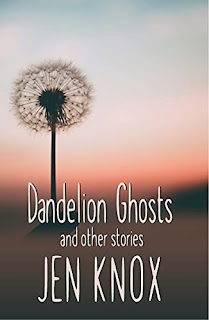
A new story is up at Midway Journal Volume 10, Issue 1. Thanks to Editor, Ralph Pennel, for posting my work. I completed the draft for this one at The Art Farm (keeping my process transparent since 2009) and revised it last year.
Showing posts with label 2015. Show all posts
Showing posts with label 2015. Show all posts
Monday, January 18, 2016


Monday, December 21, 2015
A Week of Observations, Dec 2015: Part 6
The holiday parties have begun, the baked goods are everywhere, the politics blather on, and the lights/blow-up snowmen that freak out my dog are adding color and cheer to our neighborhood. I love this time of year. Here are a few observations from the last week:
- A weak stomach may mean longevity in a culture of over-eating the inedible
- Physical talents, such as acrobatics, should not be shared at holiday parties
- Cactus lights will always make me smile
- We need an underground movement of those democratic voters in stoplight-red states to move to the swings for a time
- When you get your twentieth recall notice, it might be time to look for a new car
- The tiny living movement has taught me smart utilization of space - wow do I have a lot of space!
- The non-poet can foster her appreciation for poetry to great reward
- If you're crafty, you can save a shit ton of money during the holidays (I am not)
- Good intentions lead to good results, but the timing is always a bit different than expected
- If you can't sleep, don't try to sleep; get up and do something (this is my latest insomnia strategy, and it's working out better than anything else I've tried)
- People who don't like dogs probably won't like me
In lieu of a prompt: Enjoy family. Read, reflect, live life!
Wednesday, December 16, 2015
Writers in the Spotlight: Erin K. Parker
Hi, Erin!
Welcome to Literary Exhibitionism. You recently released a short story collection, The Secret and the Sacred, with Unknown Press. Congratulations! I want you to know that I devoured it over vacation.
Welcome to Literary Exhibitionism. You recently released a short story collection, The Secret and the Sacred, with Unknown Press. Congratulations! I want you to know that I devoured it over vacation.
Thanks, Jen. I am so
pleased that you enjoyed it.
 Some of the stories were written in the third-person, and
even published that way originally in other publications. But when Bud Smith, at Unknown Press, read
the collection, that was the first note he gave me: to try telling these stories in first-person in
order to create a more intimate, confessional collection. I did some rewriting, and I had to
agree. It did dial the book in a little
tighter, so we went with it.
Some of the stories were written in the third-person, and
even published that way originally in other publications. But when Bud Smith, at Unknown Press, read
the collection, that was the first note he gave me: to try telling these stories in first-person in
order to create a more intimate, confessional collection. I did some rewriting, and I had to
agree. It did dial the book in a little
tighter, so we went with it.How long did it take you to write this collection?
It took a few years because I didn’t originally set out to
put together a collection. I was
fortunate to start getting work accepted by various publications, and Bud Smith
would occasionally tell me that he liked my work and to let him know when I was
ready to put out a collection because Unknown Press was interested. I worked on it very slowly, but steadily, for
a couple of years – there were a lot of other things going on which took
priority. At one point, I sent a lot of the
stories to Bud so he could see if there was enough for a solid collection that
he’d be interested in. Once I got his
comments, I had a clearer direction on where to go with it. When I saw them all together, I liked the
intimate tone, the confessional theme of the stories, and felt they could stand
together. I suddenly realized that I
really did have a collection. There were
all these moments or situations where the character stops and looks around and
sees clearly what is going on in her life.
Where the only thing to do is to keep going. Just keep walking. Either walk away from something or walk toward
something else. The cover art is perfect
for the book. It’s a photo by Brooke
Shaden, a very talented photographer who let Unknown Press use her art for my
book. I absolutely love the cover.
I too love the cover. It really introduces the writing well. When did start writing fiction?
I started when I was young, maybe 6 or 7. I wrote quite a bit growing up – journals,
stories and poetry. I’ve always loved
language so much, and have always been an avid reader too.
Who/what inspires you?
I am greatly inspired by authors like Mark Helprin, Margaret
Atwood and Hemingway. They are masters
of the art of storytelling and the use of the sparest, most perfect combination
of words. I am really inspired by art and design. Stories I see visually can often open a path
for the words to come.
Do you ever find yourself blocked creatively?
I do, but not for long periods of time. I have found that the way to get unstuck is
to look at art, design or to pick up a book and start reading. This helps me get going again, it shakes
things loose. My career is in design, so
I can’t afford to panic when I get blocked creatively. I figured out a long time ago that creative
inspiration can be found in so many places, and sometimes it’s just a matter of
relaxing and opening up to other mediums.
Get quiet and stay open. Also, I
don’t treat creativity with any kind of reverence, so it isn’t bigger than
me. It’s a puzzle I want to put
together, and the trick is to stay open so I can see the pieces.
What is your favorite prompt?
I had never used prompts until I worked with Kyle Schruder
and Robert Vaughan for a piece that I was submitting to Lost In Thought. Kyle sent me a group of photos to choose from
to use as a prompt. I was drawn to a
photo of a young woman standing on the street, dressed for work, holding a
coffee, and looking completely overwhelmed.
Her whole story came to me right away:
she had just left home and moved to her first apartment. She had a futon and was hoping to save up for
a real bed. She had an entry level
office job that she was excited about.
She was getting used to her new life, finding her routine which
consisted of stopping at the neighborhood coffee shop in the mornings on the
way to work. She looked forward to going
grocery shopping because it was still so new and it made her feel like she was
an adult. At the same time, she was
terrified of messing up at work and afraid of her car breaking down because she
didn’t have enough money for a car repair.
You know, that kind of thing came to me, I could see her whole life in
that picture. I remember what that was
like and I just started writing. That
story became "Red Velvet Couch." I will
definitely use pictures as a prompt again.
Can you describe your writing routine?
I don’t really have a writing routine. I write when I can’t stand to keep the story
inside anymore. The lines start
screaming to be heard and I have to get them out. That’s the best feeling in the world.
How many revisions do your stories undergo?
Not very many. I rework
the details or the rhythm of the lines quite a bit when I am done, but the bulk
of the story is fairly close to how I first write it.
Any advice for beginning writers?
When you are ready to submit to places, it’s better to have
a pile to choose from, so just keep writing.
Also, once you find someone’s piece that you like, read their bio to see
where else they have work. That will
lead you to find new publications where you might want to submit. At the beginning, it’s almost like a
scavenger hunt!
What’s the best advice you’ve ever received (writing or no)?
To write things that I would want to read.
Thank you so much for taking the time to swing by Lit Exhibit,
Erin. I would love to know what you’re working on currently, and where readers
can find your work.
Thank you so much for this interview, Jen! I am working on new flash fiction pieces and
short stories for the next collection. I can be found at www.erinkparker.com
Prompt: Based on Erin's answers, let's write an ekphrastic piece of flash fiction based on a photo -- either one you own or one on a post card (there are great ones at bookstores). Find a photo, set a timer, and go! Let us know how it goes.
Monday, November 30, 2015
A Week of Observations: P5
I hope your Thanksgiving was fantastic. My husband and I managed to travel to Ohio to see my grandmother, to Michigan (for the OSU v Michigan game), to Windsor, and back in four days. Here are a few observations from the week:

- Canada is cold in late November.
- It's not a good idea to open an umbrella in a casino, even if you're just walking through.
- If someone aggressively sells you an umbrella, it will probably do this:

- Due to the fact that my husband ran into them in Japan, and we ran into them in Toledo, Ohio, I'm thinking there's a 20% chance that you will run into Exodus in any given hotel restaurant.
- At any given Thanksgiving celebration, the stuffing should be positioned at least two places down (beyond arm's length) from me.
- There is nothing like connecting with family, even if for a short time.
- Ohio in late November is cold.
- Being the opposing team fans at a big college football game may get you flicked off by an eight-year-old.
- Airbnb can be fantastic, as can shepherd's pie.
- In November, Michigan is cold.
- Anyone who goes to Ann Arbor should try Zingerman's sourdough.
- The year moves fast.
- A real vacation means blocking email, and a real vacation is nothing short of bliss.
- There's never enough time with family.
- Vacations do not always equal sleep.

Prompt: Go to a competitive sports event you wouldn't ordinarily attend and sit on the opposing side (no home games). The conversations get interesting and are often quite fun. If you can't make it to an event, try to think worst case scenario and write a short story. Twenty minutes. Go!

Happy Holidays!!
Sunday, November 15, 2015
A Week of Observations: P4
What I learned this week, and a prompt:
- The advice given others can be quite useful when repackaged and delivered back.
- Flow is only possible with focus. Focus is necessary.
- Gyms are great. Go figure.
- There are days when everything sounds like a good idea, then there are days when everything promised needs delivered on and half of it no longer seems like a good idea.
- Running is far more pleasant in chilly temperatures.
- Deep-fried cookie dough exists, and it really should not exist.
- Sweater dresses are not very flattering in general, but they look good on a hanger.
- Black and white photos can make anyone look cool, even when said person forgot to tuck in her shirt (see me reading at Viva Tacoland with my shirt half hanging out).
- Everything seems simpler on Facebook/Twitter/Instagram.
- Magical thinking exists for good reason.
- Interviews are damn fun.
- The elderly couple who workout in jeans are more motivation than the iron men and women of the fitness club.
- Dyslexia can be a real PITA, but it's not something to dwell on.
- The guy who works at the coffee shop and doesn't drink coffee should keep that fact to himself.
- Writing is hard but worth it.

As I work on the next author interview, I want to offer a simple prompt:
Find something you've kept for a long time, a memento or even just a strange accessory you refuse to throw away, a broken bracelet or a belt that you've tied around a stuffed animal's belly... whatever. Pick something in your home that you've had for more than a few years. Describe it in detail. Now think about why you still have this thing - what value does it hold? Exaggerate this, give the object to a character and write about why s/he has it for 20 minutes. Nonstop. This is November, people! Go!
Saturday, November 7, 2015
Writers in the Spotlight: Tina Barry

Hi Tina,
Welcome to Literary Exhibitionism! I’m excited to have you as a guest author. I was originally introduced to your work in Fictionaut and am always impressed by your ability to create textured, vivid images in so few words. “Tuscaloosa,” a poem I first read in Ramshackle Review, comes to mind.
Welcome to Literary Exhibitionism! I’m excited to have you as a guest author. I was originally introduced to your work in Fictionaut and am always impressed by your ability to create textured, vivid images in so few words. “Tuscaloosa,” a poem I first read in Ramshackle Review, comes to mind.
Hi Jen. Thanks so much for inviting me as a guest author at Literary Exhibitionism. I’m flattered.
And thanks for the kind words about my writing. Yes, Fictionaut. I’m indebted
to that site for introducing me to so many great writers who have become
friends and supporters. You ask later in this Q&A what advice I’d give to
other writers. Join sites like Fictionaut where writers meet, comment, workshop
and encourage one another.
It’s interesting that you mention “Tuscaloosa.” My writing
has been called “image driven,” and I suppose it is. I was a designer for over
a decade; so it’s the image I see first, the story it tells follows.
I wrote “Tuscaloosa” after reading about the “Super
Tornadoes” of 2011, in Tuscaloosa and Birmingham, Alabama. The poem is a series
of images, one piled on top of the other, the way I imagined someone would see
objects, things, people, whirl by during a tornado, and how those things would
be a visual synopsis of their world:
"A pin in a doll’s heart
then one in its foot.
Hot vapor
with its own populace:
The lady at Stop & Shop
with the dead eyes and gray perm.
Your neighbor’s pick up truck
grandpa’s house
with grandpa inside
and a prom queen
wearing a fake satin dress
corsage pinned just so.
Beloved
for its years of service
and unblemished safety record
a Ferris wheel gently rocks
its last riders
then dumps them to the ground.
People laugh
at the banality
of final thoughts.
Closer to the stars
a man finds comfort
recalling the part in his daughter’s hair."
then one in its foot.
Hot vapor
with its own populace:
The lady at Stop & Shop
with the dead eyes and gray perm.
Your neighbor’s pick up truck
grandpa’s house
with grandpa inside
and a prom queen
wearing a fake satin dress
corsage pinned just so.
Beloved
for its years of service
and unblemished safety record
a Ferris wheel gently rocks
its last riders
then dumps them to the ground.
People laugh
at the banality
of final thoughts.
Closer to the stars
a man finds comfort
recalling the part in his daughter’s hair."
I
would love to know more about your process. So, my favorite question to ask… Writing
is hard. Why do you do it?
Writing is hard,
especially for someone like me who works in fits and starts, sometimes
obsessively, hunched over my computer for days, sometimes a week will go by with
only random notes.
Why do I do it? Writing helps me unearth and make sense of
my memories. And it’s craft as therapy. I love watching a piece tighten,
finding stronger words, dumping lines that don’t add to the whole.
When
did you know you wanted to be a writer, and who/what were your early
influences/inspiration?
I wanted to be a visual artist, not a writer. I have a
degree in fine arts, and then spent about 15 years as a textile designer, and
then a children’s clothing wear designer, before getting completely burnt out.
I thought, though, that I could write about fashion and style. After working in
the industry, I knew fashion lingo, and teachers had always praised my papers
in college. It sounds naïve now to think I could just jump into that kind of
work, but oddly enough, I was assigned pieces for newspapers, magazines and
online venues pretty quickly. Not long after that, I wanted to write creatively
and took classes in non-fiction and fiction before going for my M.F.A. During
my years in graduate school, I explored poetry and short fiction.
Early influences? When I was around 10, my mother gave me a
collection of short stories by Guy de Maupassant. His famous Boule de Suit
“Ball of Fat” gripped me. No story I had read before it elicited such rage and
sorrow, and in so few pages. I also read E. B. White’s Charlotte’s Web obsessively. I had the first few pages memorized. I
read it to my daughter when she was little and was touched again by the
originality of the story and its message.
What's
the last fantastic book you read?
The Liar’s Wife,
Mary Gordon’s four novellas. I was completely lost in the worlds she created.
Congratulations
on your new release, Mall Flower,
a collection of short fiction and poems. What do you want readers to take away
from reading Mall Flower,
and how did the book come about?
Thank you. Mall Flower
is my first book and I’m excited to have it out in the world.
The book came about when I started to read through my work
over the past few years. I realized that without intending to, I had written a
lot of pieces about my family, especially my father’s departure from us and how
that event colored my experience as a child, teen, young and older adult. I
sent the manuscript to Robin Stratton at Big Table Publishing hoping it would
be a chapbook. She loved it but wanted a book, so I opened it up. If someone
reads Mall Flower and thinks, Yeah, I
relate to that, and if it makes him/her laugh, or squirm, that’s the best take
away.
 Do
you ever find yourself creatively blocked, and if so, how do you find your way
through?
Do
you ever find yourself creatively blocked, and if so, how do you find your way
through?
There are people who can sit down with a journal and scrawl
page after page. Words for me are like badly behaved dogs that need to be
coaxed from beneath the sofa with a bone. I get a piece started the same
way I once began a visual arts project: I look at a lot of visual art; that
always stirs something inside me. Then I read other writers’ work. In my
office, I keep a big bulletin board where I tack up photos and cards, colors I
like, different writers’ poems. Designers use these storyboards to gather
inspiration for a project; now I use mine as prompts for stories and poems. I
read and reread work online and in publications like Poetry, always on the hunt for the word or image that will spark an
idea. I turn to Alice Munro and Joyce Carol Oates’ short stories. Whenever I
read their work, some memory or question I’ve had always comes to the surface.
It’s a beginning.
Do
you ever use prompts?
I love prompts! When I connect with a prompt, I can explore
ideas or combinations of ideas, in ways that surprise me.
The poem “Honeycomb,” in Mall Flower, comes from a visual prompt of a black and white drawing of a
beehive. The hive, crammed with insects, reminded me of an apartment I shared
years ago with two roommates, who were -- I’ll be kind and say -- “unstable.”
“…I once lived in an apartment
with too many roommates.
One initialed each egg
in its carton.
Another swigged scotch
till she stung.
I think of us now
in that warren of rooms,
our droning lives.
How small we became
to fit
there.”
What
is the best advice you ever received (on writing or anything)?

Best advice? If you worry about being the best at something
you probably won’t be. I don’t remember who said it, but it’s always rung true.
If you worry that someone is doing it better, whatever “it” is for you, you’re
wasting your time. Someone is doing it
better. It’s just the way it is. Write, cook, paint, run: whatever makes you
happy. Just keep honing your craft. If you let other people’s accomplishments
diminish yours, it’ll crush you.
What
are you working on now?
Promoting Mall Flower.
I’ve done a couple of readings and have a few more in the works. I’ll have the
dates on my Facebook page soon (Facebook.com/MallflowerTinaBarry).
I’ve recently moved from Brooklyn to a small town in upstate
New York. It’s been quite a transition. I see more trees and fewer malls in my
work. Eventually, I’ll do what I did with Mall
Flower: take a look at the themes that emerge and shape it into the next
whatever it wants to be.
Thank you, Tina!
*Inspired by Tina's interview, find a black and white photograph and write for twenty minutes. See where the visual catalyst takes you. I particularly enjoy post cards and photography books--especially portraits.
Tuesday, November 3, 2015
Sunday, November 1, 2015
A Week of Observations: P3
With an extra hour to write and reflect, I figured I'd make a blog list. It's my new thing. Here's what I learned/remembered this week. Next post will be a new interview with the poet and fiction writer, Tina Barry. In the meantime, my week's lessons...
- Saying, "Thanks, that what I intended" in a super low voice is the best way to receive a compliment
- 5Ks are much easier if a dog is pulling you along
- Buying cheap candy means being stuck with cheap candy
- Getting your short story collection nominated for the Pen/Faulkner is like eating warm bread pudding with a scoop of vanilla
- It's always good to have an extra pair of shoes in the car
- To Do lists are only helpful when they're realistic; otherwise, they are a source of anxiety
- Putting all recurring characters in a single story is awkwardly delicious
- NaNoWriMo could be any month
- If the conversation is awkward, walking away abruptly is a natural end
- Pot pie can't be dressed up
- The right frame can be tough to find
- People are almost never who they seem
- Ice and heat, in the right combination, can cure most minor ailments
- Handstands after thirty are an exercise in fearlessness - but they shouldn't be rushed
Writing prompt: Write the opening to the next great novel. Just the opening, a mere paragraph. Make that paragraph the best paragraph you've ever written. The next day, read that paragraph and continue to write. 20 minutes minimum. See what happens.
Saturday, October 24, 2015
Writers in the Spotlight: Rob Dinsmoor
This is the first in a series of author interviews in which I will try to get an author to tell me all their secrets in the spirit of Literary Exhibitionism. The spotlight is on, the writer is ready, the interview is about to commence. First up, ROB DINSMOOR! A little about Rob...


Robert Dinsmoor is a freelance writer and yoga teacher. He
has published hundreds of articles on health and medicine as well as pieces for
Games, Paper, National Lampoon,
and Nickelodeon Magazine and scripts
for Nickelodeon and MTV. He has written fictive
memoirs titled Tales of the Troupe, The Yoga Divas and Other Stories, and You Can Leave Anytime and co-authored a
children’s picture book called Does Dixie Like Me?
So, Rob, thanks for stopping by my virtual home. I'm about to ask you the tough questions, the literary questions, the complex questions. The kind of questions you sit with, much like a Zen kōan, for hours or days or years. Here we go...
J: Writing is hard. Why do you do it?
R: It’s a compulsion. I
can’t not write. It’s an opportunity to
have complete control over one small area of my life.
J: Do you write full
time or part time? And what is your
writing process/routine?
I’m semi-retired but spend about 20-30 hours a week writing
both nonfiction health-medical articles and my fictive memoirs. My writing process for nonfiction is very
different from my fiction work. For
nonfiction, I begin by doing a lot of research on-line, downloading relevant
articles and scientific papers. Then I
carefully underline relevant parts of the documents, spread the documents out
in front of me, and painstakingly hand-write a very rough draft. This is a tedious task, requiring a lot of
focus, and I take frequent breaks. (Most of my housework gets done while I’m
writing these drafts.) If I need to
interview experts on the subject, I like to have good mastery of the material
before I talk with them. I tape and
transcribe the interviews, print them out, and underline the information and
quotes I might want to use. Then I
rewrite my article according to the new information and carefully insert quotes
where they seem to fit. The final stage is editing and making the words flow,
so that the reader never has to slow down to figure something out.
For creative work, I write at the keyboard, as I’m a fast typist and want the thoughts to flow quickly. I start with individual stories or scenes and then patch them together and edit them. If I get stuck, I jump to the next scene.
For creative work, I write at the keyboard, as I’m a fast typist and want the thoughts to flow quickly. I start with individual stories or scenes and then patch them together and edit them. If I get stuck, I jump to the next scene.
J: When did you know you
wanted to be a writer, and who/what were your early influences/inspirations?
R: I wanted to be a writer starting around age 11. I was a big fan of horror movies, especially
Vincent Price movies. I soon learned
that they were based on stories written by someone named Edgar Allan Poe, and
that other writers made them into scripts.
It was a mind-blowing revelation that writing stories could actually be
a person’s career! The first stories I
wrote were about werewolves. Then my
parents, oddly and wisely, bought me Playboy
anthologies of horror and science fiction, and while I didn’t understand all
their nuances, they introduced me to more sophisticated writing. Those writers, including Ray Bradbury, Richard
Matheson, and Jerome Bixby, were remarkably smart and creative, and I started
seeing their names in the credits for movies, Twilight Zone, and Star Trek.
Gradually, my interests widened to intelligent science fiction, satire, and the
world of books as a whole.
J: What was the last
book you read?
R: I just finished Dreamland:
The True Tale of America’s Opiate Epidemic by Sam Quinones. The author is a crime reporter who traced the
current epidemic of prescription painkiller abuse to a number of factors. One was a paradigm shift in the treatment of
chronic pain, when pain specialists decided that opiates were very safe based
on a widely cited “landmark study” from 1980.
It turns out that it was actually a Letter to the Editor making
observations about opiate use in a small number of hospitalized patients. Using this “landmark study,” pharmaceutical
reps began to aggressively market highly addictive opiates for all kinds of
pain. The book also describes the
ingenious way black tar heroin was sold all over the U.S. in ways that largely
escaped detection by law enforcement.
The book is so fascinating and crisply written, I couldn’t wait get back
to it.
J: What do you want
readers to take away from reading You Can
Leave Anytime?
R: Going through drug/alcohol rehab was such a bizarre
experience it took me a few years to get my head around it. The book is a gentle reminder to other
high-functioning alcoholics that things can go downhill very fast. Second, it’s about trying to make the best of
life when you have very little control. And,
as bizarre as my experiences at the “Wetlands” were, I got sober there and
stayed sober-- probably as a result of three months of abstinence as well as
better understanding of addiction and tools to cope with it. The book is also about recovery, taking all
the dogma with a grain of salt and choosing the methods that work best for you.
J: Do you ever find
yourself creatively blocked and, if so, how do you find your way through?
R: Sure. I usually have
a few long-term writing projects going on and, if I hit a snag, I re-read what
I’ve written, start to fix and embellish, and pretty soon I’m writing fresh
material. When I really haven’t any idea
what to write, I sometimes read some of my best writing, which gives me
confidence, and read my favorite authors for inspiration.
J: What’s the most
important part of a story (beginning, end, setting, dialogue)?
R: They’re all important!
I tend to start with a setting, geographical or emotional or both, and
invite the reader into that world. I create
that world through the judicious use of sensory details and character. And dialogue is very important because
nothing brings characters to life like what comes out of their mouths. Beginnings are also important because you
have to hook readers or they won’t keep reading.
J: I rather love prompts and post them weekly here. Do you ever use
prompts?*
R: Not really.
J: What advice do you
have for other writers?
R: Write about you know, even if it’s all made up (like H.P.
Lovecraft did). In terms of character, I
always recommend finding the central paradox that defines each character. Make your violent thug something of a white
knight when it comes to women. Maybe
your geek writes bullying letters to the editor. Make your heroes a little irritating and make
us care what happens to your villains.
J: What advice do you
have for humor writers?
R: Brevity is the soul of wit.
When it’s time for the punch
line, cut to the chase and don’t put in a lot of extraneous material to
distract the reader. And while it’s
important to let your reader in on the joke, don’t explain the joke for them
and ruin the pleasure of figuring it out.
The reader must be an accomplice.
If you tell a really good raunchy joke and people laugh, they are just
as guilty as you are because they had to make the connection.
J: What’s the best
advice you ever received (on writing or anything else)?
R: Don’t sweat the small stuff.
Life is too full of real tragedies to get caught up in minor slights,
insults, and disappointments. I don’t
like to live melodramas—I only like to write about them.
J: What are you working
on now?
R: One is a short story collection, 32 Dogs, the title of which comes from a poem I wrote about an
African American friend in Southern Indiana (where I grew up) whose dogs chased
off visiting Klan members. The collection is about the intersection between
love and ferocity. The other is a
science fiction novel called Ageless
Dilettantes, about a bratty antihero who is somehow invincible to the
ravages of age and disease—and is guided by morbid fascination. Over the course of many decades, he lives
through wars, plagues, cults, opium dens, tuberculosis sanatoriums, a
half-baked attempt to mimic Houdini’s death-defying escapes, atom bomb tests,
and LSD mind control experiments. In a
strange way, it’s autobiographical.
I look forward to reading the new work, Rob! Thanks for stopping by.
*This week's prompt: Try your hand at comedy writing. Under a thousand words, no more than two characters, and take Rob's advice. I paraphrase: Don't over-explain, just tell the damn joke. Readers are smart, they'll fill in the blanks.
If you get stuck, read one of Rob's fantastic books to see how it's done.
If you get stuck, read one of Rob's fantastic books to see how it's done.
Friday, October 2, 2015
A Week of Observations: P2
It was another long but rewarding week, and here are a few things I learned (digression: making lists is my new thing - I've been making all kinds of lists lately, and they've been bringing me great joy. Lists are highly recommended. If we get a Yelp for random things the way we're getting a Yelp for people, I would give Lists 5 stars). That said, my week of lessons in a list:
- Starbucks is fast food (and expensive fast food at that, but the new drive-thrus are freaky cool)
- I can't do it all; it's okay to turn down work
- Emu oil can cure almost anything
- Strange is okay
- Freelancing work may not pick up for years, but when it picks up, it picks up fast
- Travel is necessary for artists
- It's good to practice what I prescribe
- Not everyone has to "get" everyone else... let it be
- Sleep is necessary for sanity
- Complaining doesn't help anything
- There's a National Coffee Day and I am its newest self-appointed ambassador
- Opportunities come in groups
- Sometime you need to tell people to shut up, even if you don't know them (but only if they're being horribly inappropriate)
- Investing a little time in organizational efforts reduces a lot of paper shuffling time later
- I am a sugar addict (it's bad - I need help)
- Having more than one full-length manuscript complete when submitting work is a very comforting feeling (good vibes are welcome)
- Making lists keeps me on track
Writing prompt: Try writing a list poem. It can turn the way of flash, or not. I like the idea of writing a list of things in a junk drawer, as outlined on Poetry Soup. But this can be a mere catalyst.
Saturday, September 26, 2015
A Week of Observations
- If you're allergic to avocados, you're allergic to guacamole
- You don't have to do ALL the Zumba/yoga/HIT moves
- You keep saying you're going to be more consistent with this blog, just a reminder
- Dog park people are almost always nice
- Good teachers are rare and valuable, and the world needs to start respecting them
- The internet just might be an actual black hole
- If you don't plan to stay long at the party, bring cookies instead of wine
- Be patient when trying to catch fast spiders
- When you work six jobs, you'll occasionally forget which one you're supposed to be doing
- The second person perspective is perfectly okay when referring to self in lists
- When you have talented friends, they will forever release new and exciting work. Here are two friends' works that you can't wait to read:
- Michael Gillan Maxwell's new book is out: The Part Time Shaman
- Maria Savva's new book is out (and forthcoming): A Time to Tell. Also, check out Maria's book trailer: YouTube
- These writers' words are why you do what you do:
 |
| Gemini Ink Writing Workshop at the Guadalupe Home. Photo taken by Chris Shanahan, 2015 |
Writing prompt: Write your own week in a list. Pick one item and write a story about it. Maybe pick a few.
Thursday, September 24, 2015
If you want something done, ask a busy person
Two of my students pulled me aside this week to ask about how often I write, and my habit is so incredibly simple I thought I'd post about it: I write a little bit when I can and as often as I can.
Since becoming a freelancer, I love everything that I do. Well, not everything, but let's say I love about 97% of what I do. I feel as though I'm contributing to community, feeding my art, and feeding others' desires to create art. But my schedule is rather insane. I work 20 hours a week managing a Writers-in-Communities program for Gemini Ink, which I'm finally starting to get the hang of. I teach an online class and will be teaching two classes online come October, I teach adult ed short story workshops one day a week in the evenings, I take on a maximum of two writing students each month who get personalized attention and support (I am a freelance writing coach and plan to take on more students in the future in exchange for giving up my work as an adjunct (love teaching online, but tired of being part of the machine), and I occasionally do some business writing), and still, still I am a WRITER first. Here's a very abridged version of my schedule:
The ideal routine or residency or writing life may vary for people, so it might be wise to stop looking for it? Maybe just live. Let it emerge.
Prompt: Write for 20 minutes every day this week. Without fail. Time of day doesn't matter, location doesn't matter, just write. Even if you don't feel like it, even if you feel uninspired. Just write.

Since becoming a freelancer, I love everything that I do. Well, not everything, but let's say I love about 97% of what I do. I feel as though I'm contributing to community, feeding my art, and feeding others' desires to create art. But my schedule is rather insane. I work 20 hours a week managing a Writers-in-Communities program for Gemini Ink, which I'm finally starting to get the hang of. I teach an online class and will be teaching two classes online come October, I teach adult ed short story workshops one day a week in the evenings, I take on a maximum of two writing students each month who get personalized attention and support (I am a freelance writing coach and plan to take on more students in the future in exchange for giving up my work as an adjunct (love teaching online, but tired of being part of the machine), and I occasionally do some business writing), and still, still I am a WRITER first. Here's a very abridged version of my schedule:
- Sunday: Wake up at 5:30 (repeats daily): Introduce myself to online class, prep for Intro to the Short Story (an in-class Adult Ed course), dog park, errands, shopping, WRITE, have dinner with husband
- Monday: Go to Gemini Ink, the literary nonprofit I work at, read forty emails (I don't check work email over the weekend), check in with projects and work away till 4PM; get home, review writing coach student's work, cook dinner, WRITE, check online class, maybe watch some TV or read
- Tuesday: Meet with writing coach student, WRITE, Zumba, go home and take a nap, prep and then teach a 3 hour workshop, check online class
- Wednesday: Go to Gemini Ink, work a full shift, cut paychecks for writers, go home and make dinner
- Thursday: WRITE, Read another writing coach student's work, return student one's work, check online class, go to Zumba, go to my husband's office party
- Friday: Meeting at a WIC site 8AM, meeting at a WIC site at 9AM, Gemini Ink, Zumba, WRITE, poetry reading by the students - strong, homeless women with children who wrote dynamic poems as a part of our WIC program, probably cry, go out to drinks with husband
- Saturday: WRITE, Zumba, Zzzzzzzzzzzzzzzzzzzzzz
The ideal routine or residency or writing life may vary for people, so it might be wise to stop looking for it? Maybe just live. Let it emerge.
Prompt: Write for 20 minutes every day this week. Without fail. Time of day doesn't matter, location doesn't matter, just write. Even if you don't feel like it, even if you feel uninspired. Just write.
Wednesday, September 23, 2015
Black Heart Interview

I wanted to share my latest interview at Black Heart Magazine about After the Gazebo. Check it out!
Monday, September 21, 2015
The Strong Silent Type
Envision the strong
silent type. Seriously, close your eyes and see what you come up with.
To me, an automatic
association of the strong silent type is Don Draper, a man in a suit at a bar
with a cigarette, or maybe a man in a cowboy hat who kills bad guys and abides
by a twisted ethical code (Yes, I watch Justified. Rather miss it, actually),
or possibly a man with a sweet smile and dangerous stare. At a stretch, I
envision a shy drummer who is quiet but a known bad boy.
Notice the similarity? If you don't, another way to examine social associations with "the strong silent type" is to run the phrase through a search engine. Now do you see the pattern?
Growing up, I learned that the words strong and silent were only ever paired together
when describing men. Women, on the other hand, the women I grew
up admiring, seemed to naturally bear the burden of conversation. They were
supposed to be quick to verbalize whatever was right in front of them, or they were weak. They needed to speak, even if
said verbalizing seemed quite unnecessary.
In Kindergarten, I
didn’t talk a whole lot. I made friends with a girl named
Octavia, who was also rather quiet. We would have deep discussions about lizards, and when people would pick on us Octavia would put them in their place. She was quiet but no pushover. I’ve
lost touch with Octavia, but if she’s still around, I’d love to buy her a good
meal because she was a good friend and also because she was totally confident
in who she was long before I was. I felt as though something wasn’t quite
right about me.
I began to engage a
little more in grade school and found quite a few good friends, but I was still
relatively quiet. I wasn’t so much shy as contemplative, observant. “Why are
those girls giggling when the teacher is telling us about butterflies?” I’d
wonder. “This is interesting as shit!” Okay, I probably didn’t actually think
“interesting as shit,” but you get the idea. I would become annoyed when I
couldn’t hear the teacher or when my thoughts were overpowered by trivial
chitter chatter. I was called stuck up a few times by other kids and thought maybe it was true.
My parents often tried
to get me “out of my shell” by encouraging me to go out and play with the
neighbors like my sister did. I wanted to read and watch TV and experiment with
my science kit or my magic kit (I was fond of kits). When I finally did go out and
“play,” urged on by their insistence, I felt awkward and, to add to the weight
of my involuntary presence, I also began to feel slightly ashamed of having not
wanted to go out in the first place. What was wrong with me? Did I not know how
to really have fun? I thought a good book was fun. What was defective about me
to make me this way?
Since then there have been a lot
of books written about introversion that distinguish it from passivity. Here are a few:
The Introvert Advantage: How Quiet People Can Thrive in an Extrovert World by Marti Olsen
Laney
The Introvert's Way:Living a Quiet Life in a Noisy World by Sophia Dembling
Party of One: TheLoners' Manifesto by Anneli Rufus
Introvert Power: Why Your Inner Life Is Your Hidden Strength by Laurie A. Helgoe
Is it just me, or are these some mighty wordy
titles? Is there a strong positive correlation between introverts and the use of colons in titles?
Wordy titles or no, many of
these books are interesting. Some distinguish shyness from introversion, and
some claim a sort of spectrum on which introverts can sometimes display
extrovert behaviors or fall somewhere in the middle, being classified more
accurately as omniverts or ambiverts. I
bet the majority of people in the world would fall into some version of this
in-between, but the point is, all types are perfectly fine so long as they're content with who they are.
Introvert, extrovert,
omnivert or ambivert, I am proud to be a woman who considers herself the
strong, silent type. I am a woman who loves solitude and could (often) take or leave small talk. But I am also a woman who can deliver a good speech, who feels comfortable networking, who can
manage an event but can also find comfort in the click of my keyboard and the
sound of birdsong.
A woman can speak out when necessarily but she can also appreciate quiet moments and remain strong. Unique personalities exist for a reason. Meanwhile, I don’t find near enough
strong, silent women in stories, so I’d like to incorporate this subject into today’s
prompt.
Prompt: Write a story
about a woman protagonist who is the strong silent type. A protagonist who is
an observer doesn’t necessarily have to be passive—keep that in mind. In fact,
because she’s your protagonist, make her assertive as hell. Make her a hero. A
strong woman, of few words.
Subscribe to:
Posts (Atom)
Chapbook release
"As our children walked in circles, their children shook their heads and made their way toward another life; new ghosts remained. And w...
-
I'm always curious about how other people do it. How they write, that is. How consistent they are, how many journals they go through, ho...
-
 Ohio: When I think of my hometown, I see the small cow pastures that I would drive by on my way to work, that signaled the edge of OSU’s agr...
 -
Okay, so here I am blogging. But not in the traditional sense. Today is the first day that I've used voice recognition software, and so ...
